
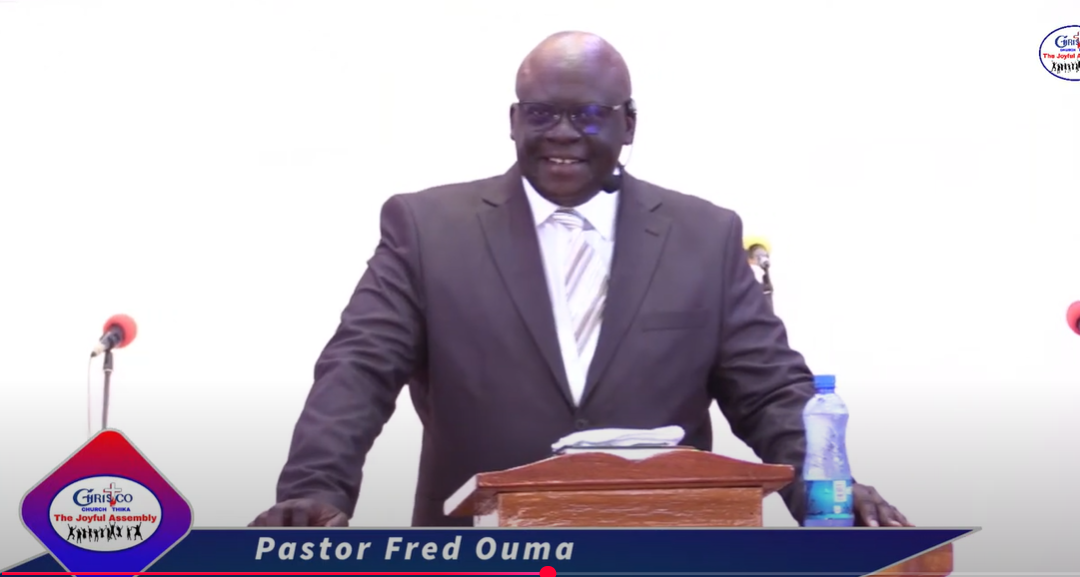
Singing as A Catalyst of Enlargement
- Sermon By: Pastor Fred Ouma
- Categories: Main Service
Reference Verse: Isaiah 54:1
Introduction
The sermon “Singing as a Catalyst for Enlargement” highlights the power of singing in worship as a means for spiritual breakthroughs. Drawing from biblical examples, the speaker emphasizes that singing is a dynamic tool for focusing on God, expressing joy, gaining spiritual strength, and engaging in spiritual warfare.
Main Points:
1. Singing Focuses on God:
Singing helps believers shift their attention from distractions and fully engage in worship. This aligns the spirit with God, allowing His presence to be felt deeply.
Colossians 3:16: Singing psalms and hymns allows the word of Christ to dwell richly in believers.
Isaiah 54:1: “Sing, O barren” – singing even in barren times leads to spiritual enlargement.
2. Singing Releases Joy:
Singing fosters spiritual joy, which the Bible encourages as an expression of faith and trust in God. Singing joyfully, even during trials, is a biblical principle.
James 5:13: “Is anyone cheerful? Let him sing psalms.”
Psalms 5:11: Singing brings joy to those who trust in the Lord.
3. Singing Brings Spiritual Strength and Deliverance:
The story of Paul and Silas shows how singing can bring about miraculous deliverance and spiritual strength even in difficult circumstances. Acts 16:25: Paul and Silas sing hymns in prison, leading to their miraculous release.
Zephaniah 3:14, 17: God rejoices over His people with singing, showing His delight in their worship.
4. Singing as Spiritual Warfare:
Singing is a form of spiritual warfare that aligns believers with God’s power, creating an atmosphere of victory over spiritual challenges.
Ephesians 5:16, 19: Singing and making melody in the heart to the Lord helps redeem time and engage in spiritual warfare.
5. God’s Rejoicing Over Us:
When believers sing, God Himself rejoices and sings over them, showing His love and delight in their worship.
Zephaniah 3:17: God rejoices over His people with singing.
6. Singing has Emotional and Physical Benefits:
Singing not only benefits the spirit but also releases endorphins, reducing stress and bringing emotional and physical well-being.
Warnings Against Negative Music Influences:
The sermon warns against the manipulative and ungodly use of music, referencing the story of Salome swaying King Herod. The focus is on using music for godly purposes that break spiritual bondages and bring freedom.
1. Jesus’ Example of Singing:
Jesus sang hymns with His disciples, showing that singing was a key part of His worship and a model for believers to follow.
Matthew 26:30: After the Last Supper, Jesus and His disciples sang a hymn.
Additional Bible Verses Referenced:
Genesis 31:27: Laban speaks of sending Jacob away with songs of joy.
Psalms 105:1-2: Sing psalms to the Lord, declaring His works among the people.
Habakkuk 3:17-18: Despite hardships, the prophet chooses to rejoice in the Lord.
Job 38:7: The morning stars sang together at the creation of the world.
Revelation 7:9-10: The multitude in heaven praises God with loud voices.
Conclusion:
The sermon calls the congregation to embrace singing as a daily practice, not just as a religious formality but as a powerful tool for spiritual enlargement. Singing brings joy, strength, deliverance, and draws believers into deeper communion with God, fostering spiritual freedom and victory.